
Reactive species instead of chemicals
Fewer bacteria and mold, without heat or chemicals. Over 99.99% fewer bacteria after 10 seconds (outside labs incl. KCL).
What is plasma?
What is plasma?
 Edipla
The fourth state of matter: a gas given enough electrical energy to split into ions and electrons.
How does it sterilize?
- Edipla
It produces reactive species such as ozone and radicals, which react with surfaces and control harmful microbes.
Doesn't the food heat up?
- Edipla
It discharges at low temperature and atmospheric pressure: no heat, and no vacuum equipment on a normal line.
How is it generated?
- Edipla
With a dielectric barrier discharge (DBD) unit. Here is the electrode firing, with the species forming at its surface.
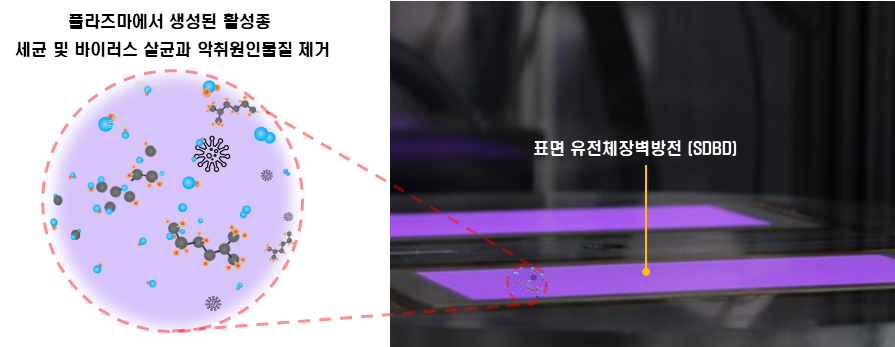
A surface dielectric barrier discharge (SDBD) electrode firing at atmospheric pressure, with a diagram of the reactive species formed at its surface.
The reactive species
plasma produces
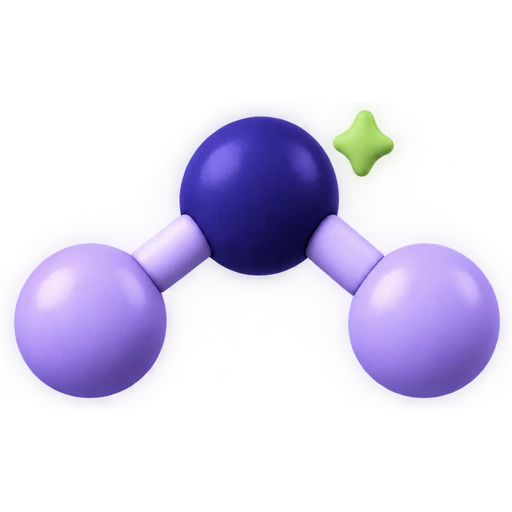
Plasma makes reactive species, particles that react with other matter. Each attacks the membrane, proteins or DNA differently. The oxygen-based ones break down into oxygen over time and stay off the food.
- Oxygen
Ozone
Strong oxidizer that breaks the cell membrane.
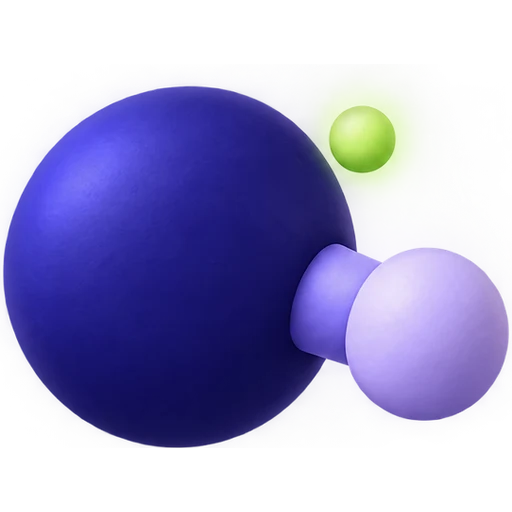
- Oxygen
Hydroxyl radical
Damages proteins, lipids and DNA.
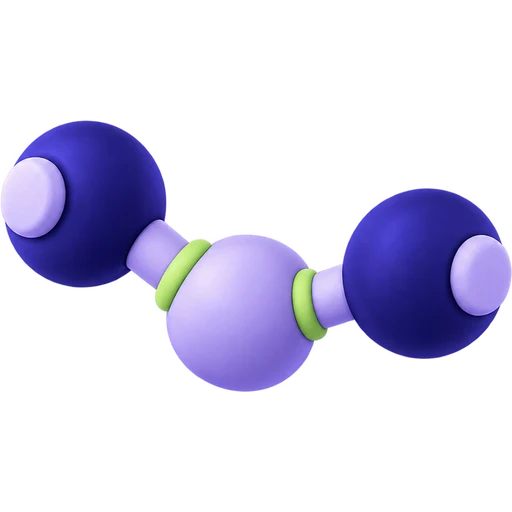
- Oxygen
Singlet oxygen
Triggers oxidation inside the cell.
- Nitrogen
Reactive nitrogen
Blocks metabolism and kills the cell.
- Charge
Electrons
Chain reactions that produce more species.


How sterilization happens
99.99%+ fewer bacteria
after 10 seconds
E. coli, S. aureus and K. pneumoniae all fell by more than log 4 (1/10,000) after 10 seconds.
Mold was measured at KCL and the KRIBB Biological Resource Center after 30 minutes.
- 99.99%E. coli and S. aureus reduction (10 s)KCL field test · Nov 2025
- 99.9%Black mold reduction (30 min)KCL · KRIBB Biological Resource Center
- 80%Blue mold reduction (30 min)KCL · KRIBB Biological Resource Center
- 99.8%In-house kill-rate testEdipla · Jul 2023
- E. coli3 s 3.5610 s 4.41+60 s 4.41+
- S. aureus3 s 3.3710 s 4.5860 s 4.58+
- K. pneumoniae3 s 3.0610 s 4.61+60 s 4.61+
From 10 s the counts fall beyond the measurable range, so the 10 s and 60 s records match (marked +). The lines mark log 2, 3 and 4: 99%, 99.9% and 99.99% reduction.
View the test data table
| Organism | 3 s | 10 s | 60 s |
|---|---|---|---|
| E. coli | 3.5699.97% | 4.41+99.99%+ | 4.41+99.99%+ |
| S. aureus | 3.3799.95% | 4.5899.99% | 4.58+99.99%+ |
| K. pneumoniae | 3.0699.91% | 4.61+99.99%+ | 4.61+99.99%+ |
Egg sterilization tests showed log 2 or more (99% or more), and the 99.8% figure is Edipla's own in-house result, not an outside lab's.