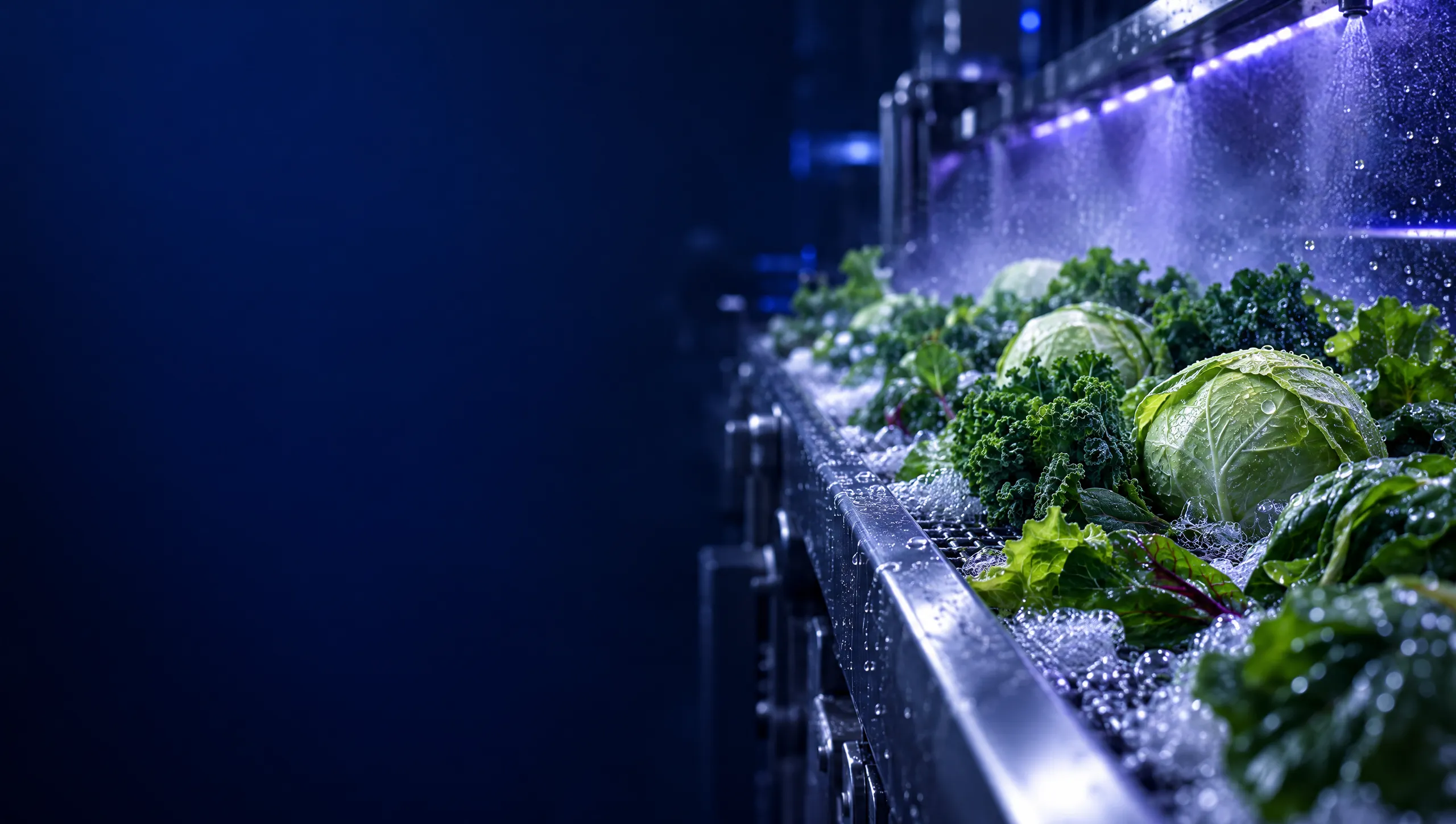
Washing, sterilizing, storage in one process
Start by putting a plasma washing unit where the chemical dilution unit sits, then extend to sterilizing and storage.
Adopt only the stages you need
Adoption comes in three units: washing, sterilizing and storage. Put in the washing unit first; add sterilizing and storage when you need them.
 01
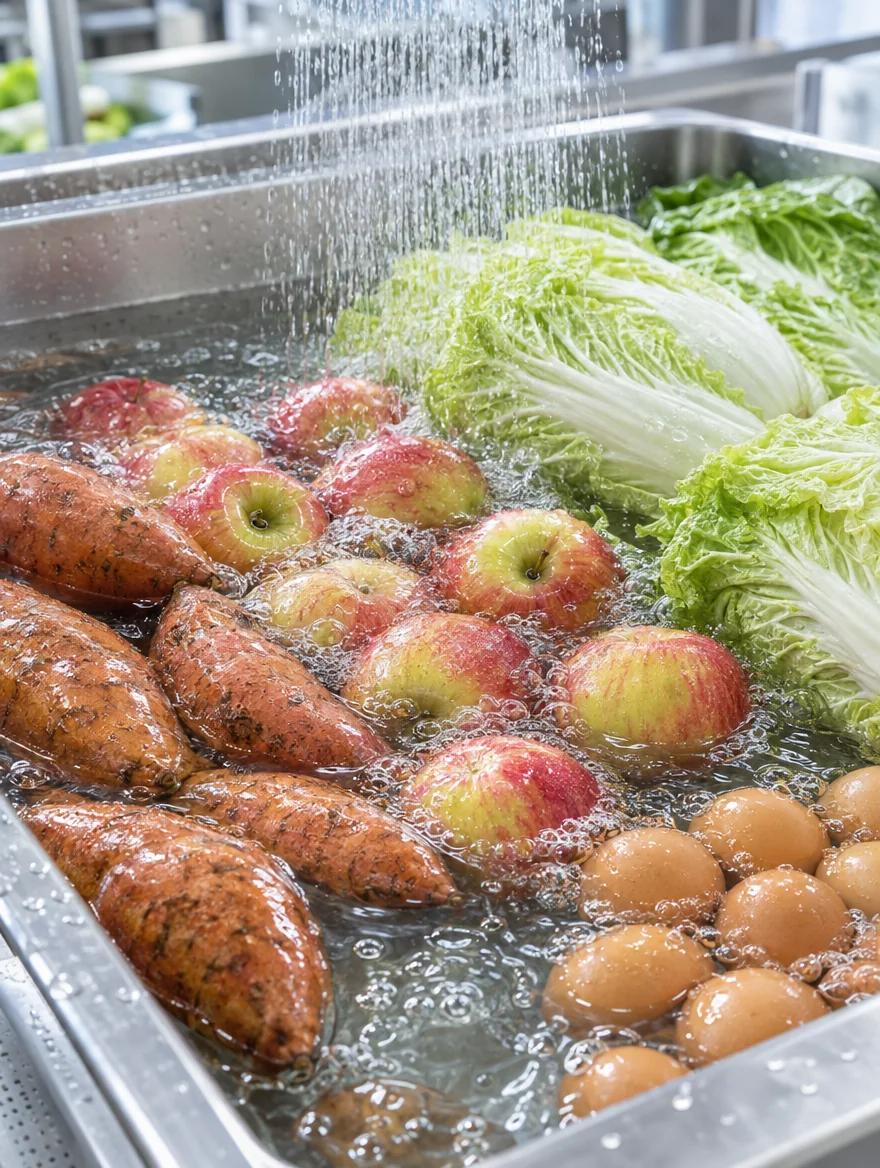
Washing
Microbubbles lift bacteria, mold and debris off the produce surface.
 02
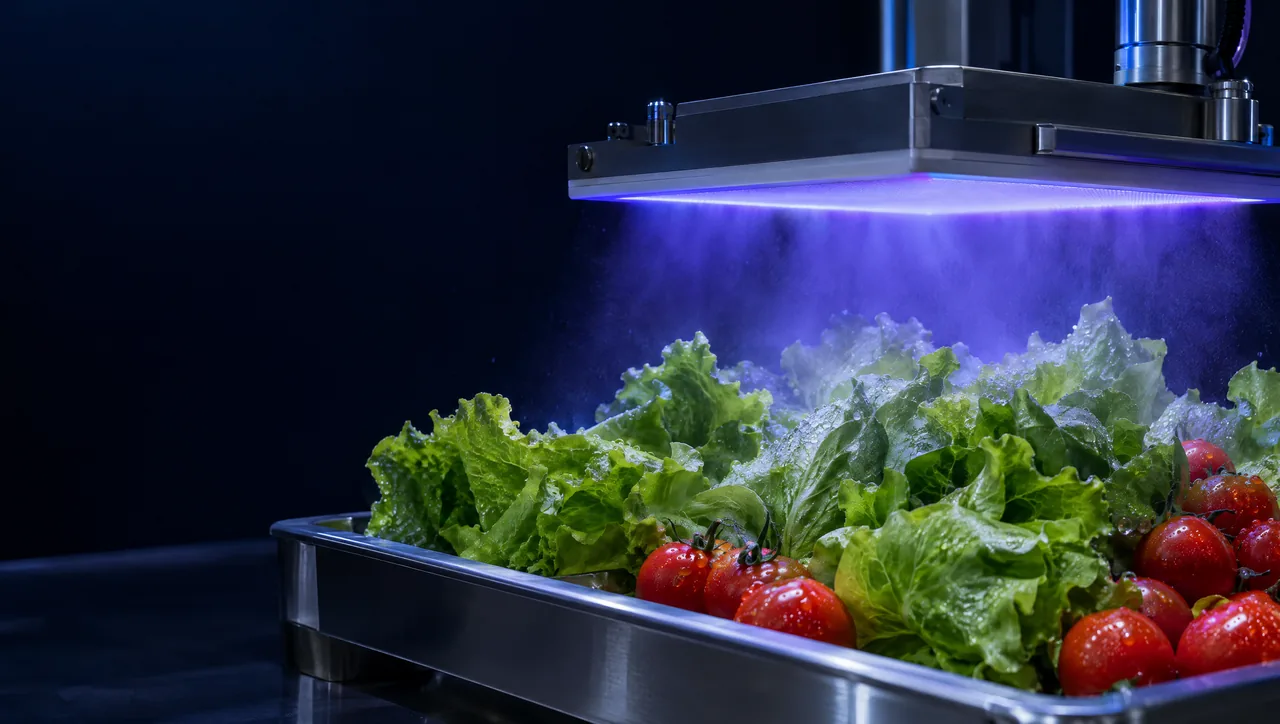
Sterilizing
Plasma reactive species inactivate microbes at low temperature.
 03
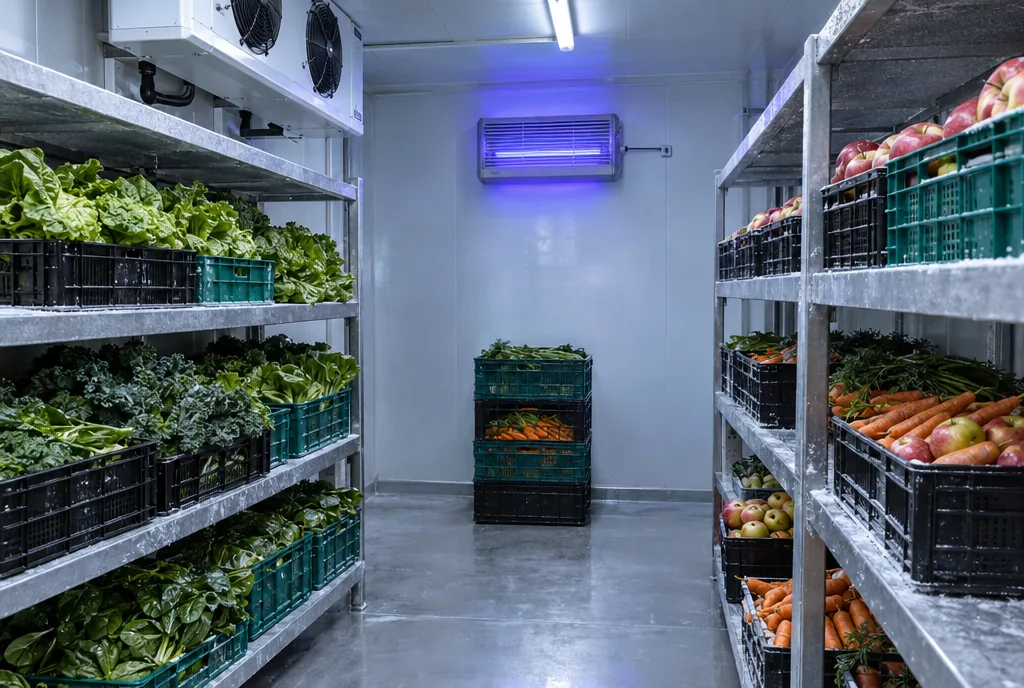
Storage
Plasma air treatment and cold storage keep produce fresh.
From intake
to frozen packing
The home page shows four steps; here are all seven.
Plasma runs through four sections, from the first sterilizing pass to the third pass with drying. Intake weighing and AI sorting come first and pull out defective produce.
- 01Intake weighing
PreparationIncoming produce is weighed to match the line's throughput.
- 02AI sorting
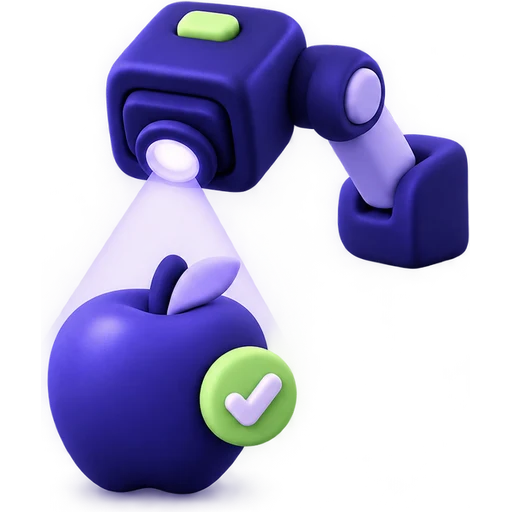
AI image sortingImage learning picks out defective produce first.
- 031st sterilizing
Plasma sterilizingPlasma reactive species cut surface microbes at low temperature.
- 041st washing
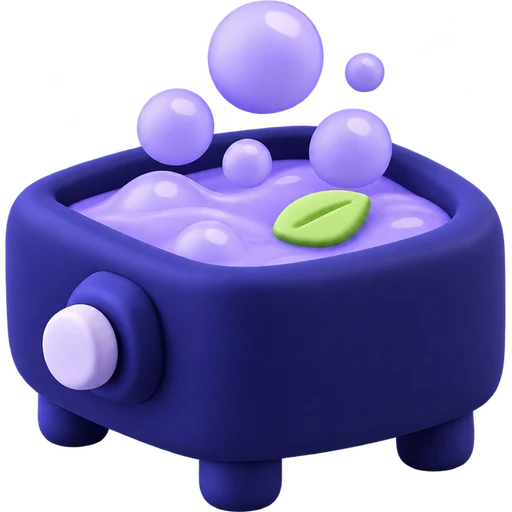
Plasma bubble washingMicrobubbles lift bacteria, mold and debris off the surface.
- 052nd sterilizing
Plasma sterilizingReactive species inactivate microbes once more, at low temperature.
- 063rd sterilizing + drying
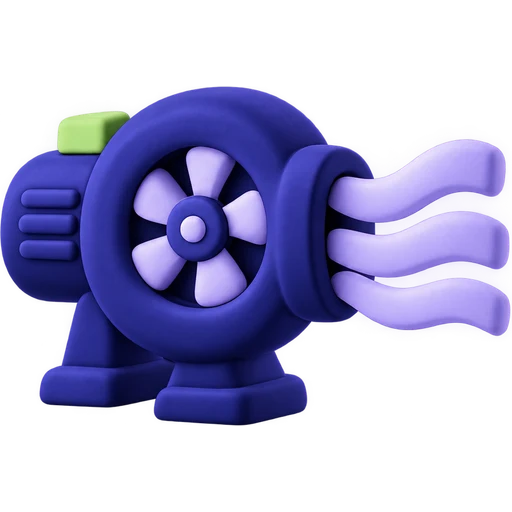
Plasma air treatmentPlasma radicals dry the produce while sterilizing the surface.
- 07Frozen packing
PackingTreated produce is frozen and packed.



Same 400 kg line, a third of the crew
The full line comes to about KRW 150M against KRW 130M for a chemical line (prototype-stage target); lower chemical costs close the gap in roughly a year.
Chemical process
- Throughput per hour
- 400 kg
- AI sorting
- No
- Sterilizing chemicals
- Used
- Sanitizer tank
- Required
- Operators
- 6 per hour
- Chemicals and consumables
- ≈ KRW 24M per year≈ USD 17,000
- Total line cost
- ≈ KRW 130M
 Edipla
- Throughput per hour
- 400 kgChemical process · 400 kg
- AI sorting
- YesChemical process · No
- Sterilizing chemicals
- NoneChemical process · Used
- Sanitizer tank
- Not neededChemical process · Required
- Operators
- 2 per hourmonitoringChemical process · 6 per hour
- Chemicals and consumables
- KRW 3–5M per year≈ USD 2,100–3,600; annual source-unit cleaning or replacementChemical process · ≈ KRW 24M per year (≈ USD 17,000)
- Total line cost
- ≈ KRW 150Mgap recovered in about a year · targetChemical process · ≈ KRW 130M
What changes on the Edipla line
Chemicals and consumables drop by about KRW 19–21M a year (simple calculation); varies by site. USD at about KRW 1,400. The source unit is the part that generates the plasma.
Start with
washing only
Start with one washing unit, then extend once you see results.
- ≈ KRW 20MPlasma washing unit · ≈ USD 14,000 · prototype-stage target price · what it includes is set in consultation
- ≈ KRW 17MFor reference · chemical dilution unit · ≈ USD 12,000
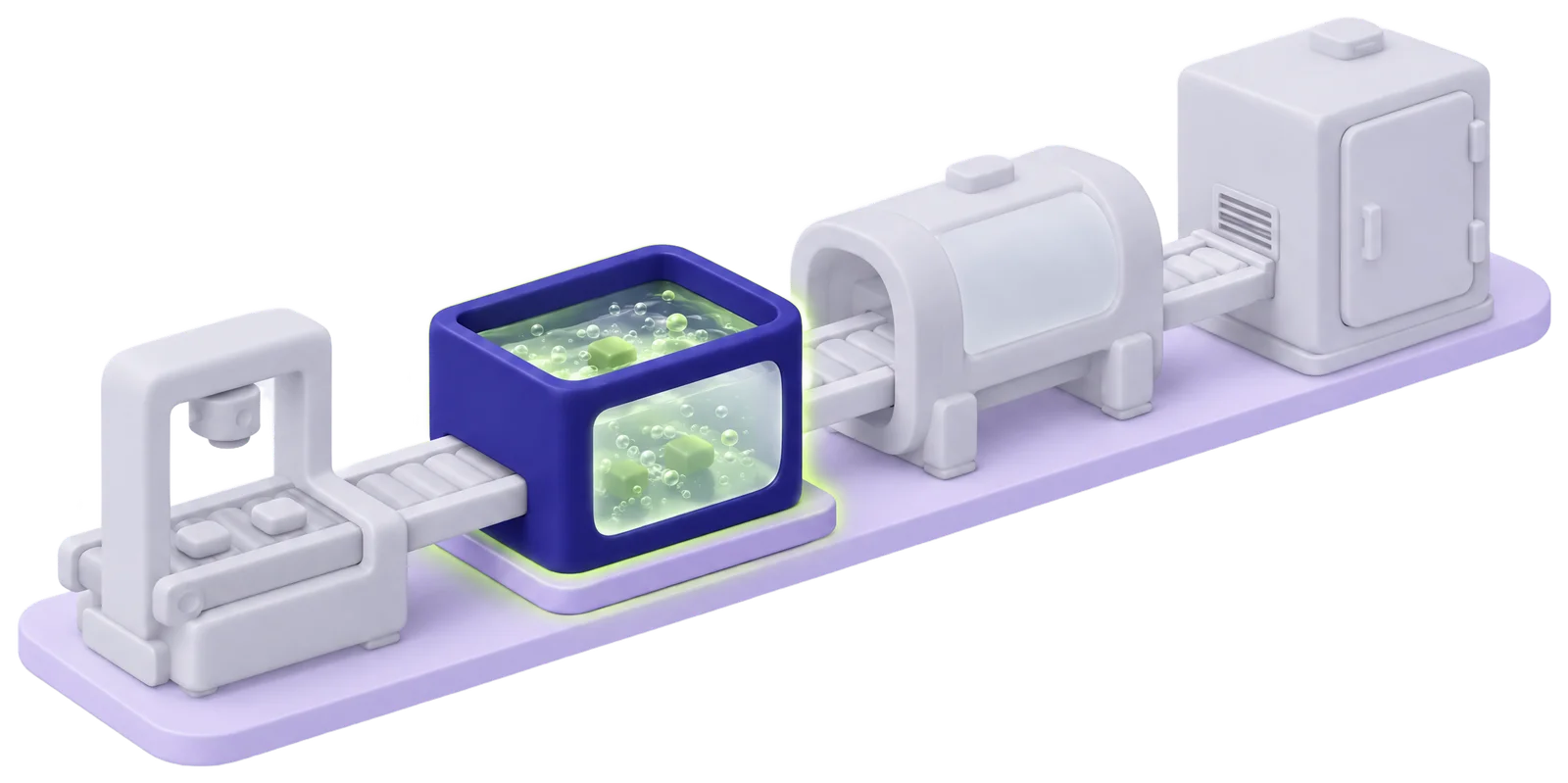 Start here · washingNext · sterilizing, storage